

Is signal.org safe?
signal.org is safe and legitimate. The scan shows an 88/100 score, clean threat intelligence, and a valid TLSv1.3 certificate from Google Trust Services.
Valid · TLSv1.3
None detected
MarkMonitor.
March 18, 2026
Website Screenshots
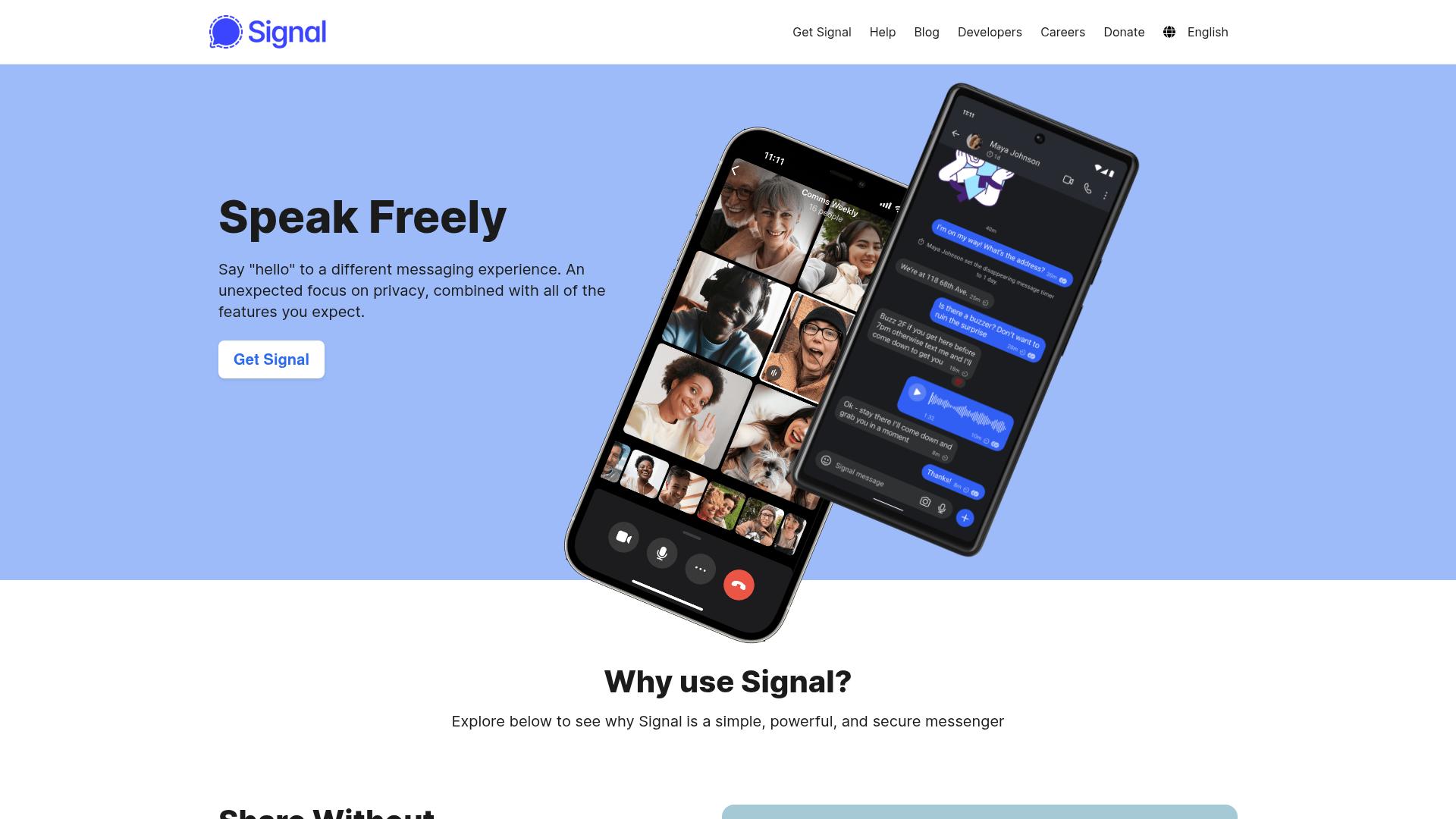
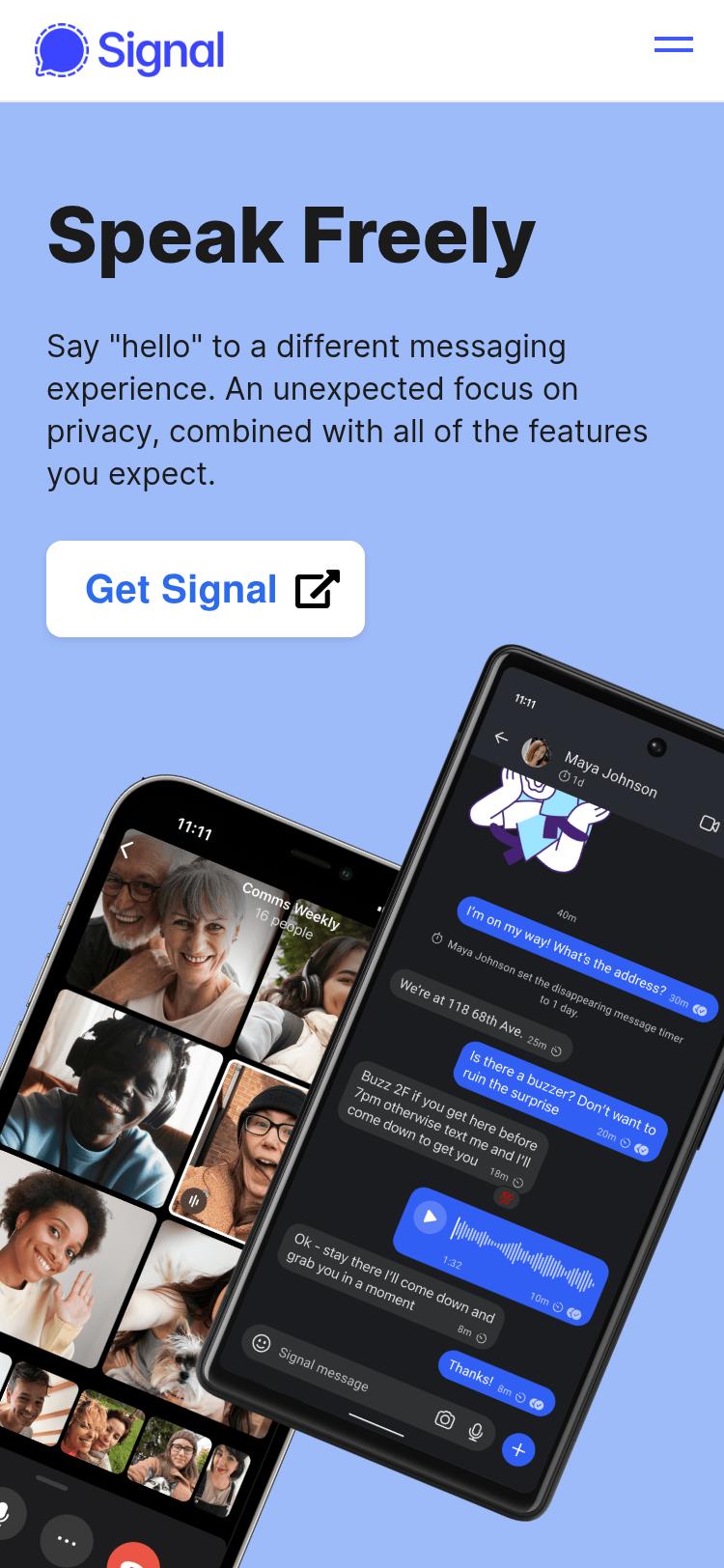
Signal.org scores 88/100 and the scan verdict is safe. The site uses a valid TLSv1.3 certificate issued by WE1 (Google Trust Services), and every major threat check came back clean.
SSL Certificate & HTTPS Security
signal.org is serving a valid SSL certificate over TLSv1.3, issued by WE1 (Google Trust Services). The certificate expires in 82 days, which is a normal operational window and confirms the site is actively maintained.
The site loads successfully with HTTP status 200 and resolves to the final URL https://signal.org/. One notable gap is that HSTS is not enabled, and several other security headers are missing, including X-Frame-Options, CSP, Permissions-Policy, COOP, COEP, CORP, and X-XSS-Protection. Those omissions reduce hardening, but they do not override the strong HTTPS and certificate trust signals.
Threat Intelligence Results
The threat checks are clean across the board. Google Safe Browsing reports Clean, URLhaus reports Clean, and DNS blocklists from Spamhaus/SURBL also report Clean.
That matters because these sources are designed to catch phishing, malware delivery, spam infrastructure, and other abuse patterns. With no hits in any of those systems, there is no current evidence that signal.org is associated with malicious activity or threat infrastructure.
Domain Reputation & Ownership
signal.org is marked as a known domain with trusted reputation and is categorized as a secure messaging app / privacy technology site. The registrar is MarkMonitor, Inc., which is commonly used for established brands and high-value domains.
The scanner AI summary identifies signal.org as the official domain of Signal, the well-known encrypted messaging service developed by the Signal Foundation. Combined with the long-standing reputation and the absence of threat flags, the domain matches a legitimate, established privacy platform rather than a suspicious lookalike or scam site.
Is Signal.org Legitimate?
Yes. The scan supports that signal.org is the legitimate official domain for Signal and not a malicious clone. The 88/100 safety score, clean blocklist results, valid Google Trust Services certificate, and trusted domain reputation all point to a safe site.
The missing security headers are worth noting from a hardening perspective, but they do not indicate compromise or fraud. For users asking whether Signal is safe, the domain-level evidence says yes.
Scan Details
Security Headers
Frequently Asked Questions
is signal app safe?
Yes. The official domain signal.org scored 88/100 and the verdict is safe. It has a valid TLSv1.3 certificate issued by WE1 (Google Trust Services), and Google Safe Browsing, URLhaus, and DNS blocklists all returned Clean.
Is signal.org the official Signal website?
Yes. The scanner identifies signal.org as the official domain of Signal, the encrypted messaging service from the Signal Foundation. The domain has trusted reputation and is categorized as secure messaging / privacy technology.
Does signal.org have a valid SSL certificate?
Yes. The site uses a valid SSL certificate over TLSv1.3, issued by WE1 (Google Trust Services), and it expires in 82 days. That confirms the connection is encrypted and the certificate is currently trusted.
Were any malware or phishing warnings found?
No. Google Safe Browsing, URLhaus, and DNS blocklists from Spamhaus/SURBL all reported Clean. There is no current threat-intelligence evidence linking signal.org to malware, phishing, or spam infrastructure.
What security issues did the scan find?
The main issues are missing security headers: HSTS, X-Frame-Options, CSP, Permissions-Policy, COOP, COEP, CORP, and X-XSS-Protection. These are hardening gaps, but the site still has a valid certificate, clean threat checks, and a safe verdict.
Run your own scan
Check any URL instantly
Private, free, no account required. Your scan results are never made public — unlike VirusTotal.