

Is shop.app safe?
shop.app is not flagged as malicious, but it is not confirmed safe either. The clean threat checks are positive, yet the 69/100 suspicious score, unknown reputation, and missing security headers justify caution.
Valid · TLSv1.3
None detected
Unknown
March 18, 2026
Website Screenshots
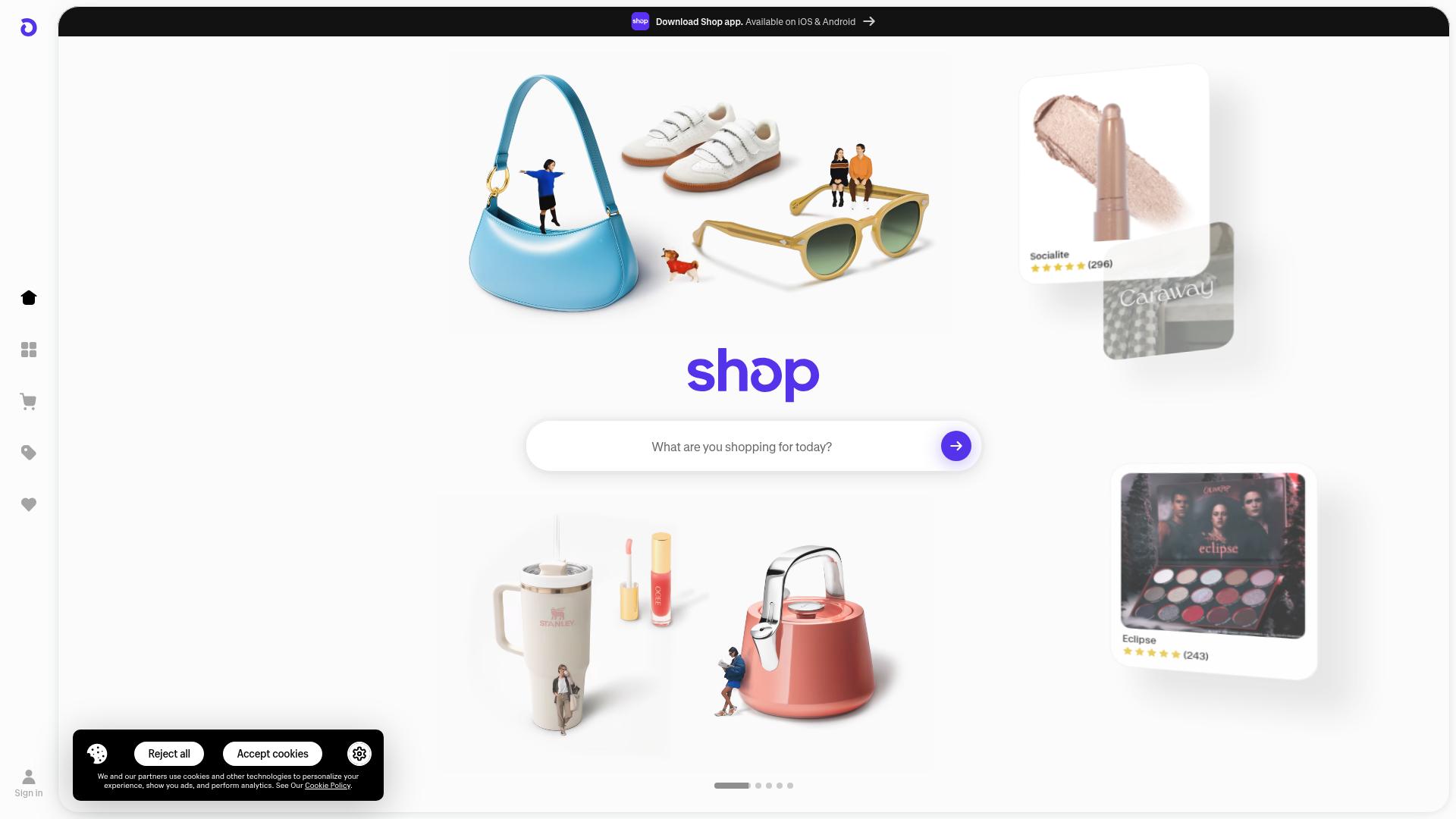
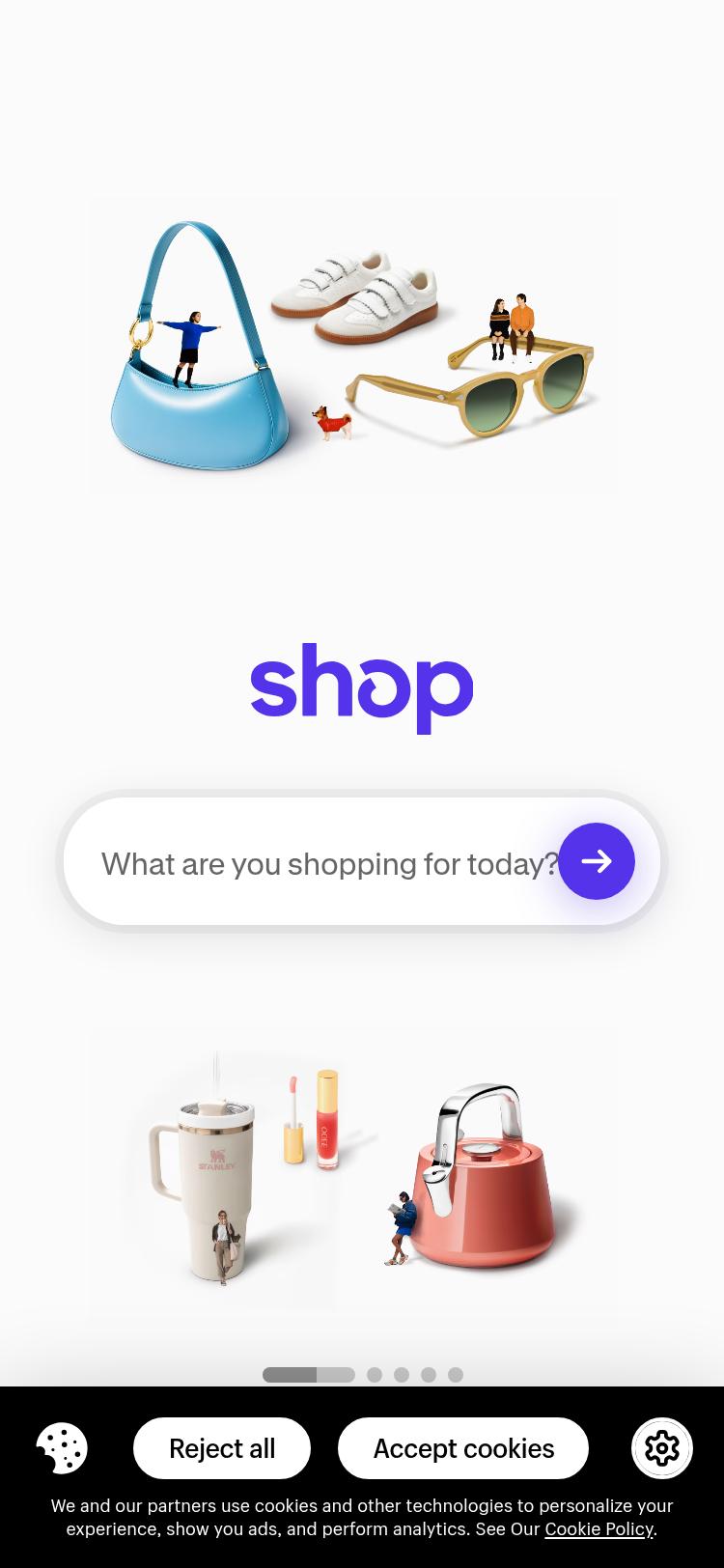
shop.app scores 69/100 and is flagged suspicious, not safe by default. The site uses a valid TLSv1.3 certificate issued by WE1 (Google Trust Services), and Google Safe Browsing, URLhaus, and DNS blocklists all came back clean.
SSL Certificate & HTTPS Security
shop.app uses a valid TLSv1.3 certificate issued by WE1 (Google Trust Services), and the certificate expires in 79 days. HSTS is enabled, which forces secure connections and reduces the risk of downgrade attacks.
That said, HTTPS alone does not make a site trustworthy. The scan also found missing security headers including X-Frame-Options, Referrer-Policy, Permissions-Policy, COOP, COEP, CORP, and X-XSS-Protection. Those gaps do not prove malicious behavior, but they do reduce the site�s defensive posture.
Threat Intelligence Results
The threat checks are clean: Google Safe Browsing is clean, URLhaus is clean, and DNS blocklists from Spamhaus/SURBL are clean. There are no current blocklist hits tying shop.app to known malware, phishing, or spam infrastructure.
That clean result matters, but it is only one part of the picture. The scanner still rates the domain suspicious at 69/100 because reputation is unknown and the domain is not established in the scan data. A clean threat feed does not equal a verified-safe site.
Domain History & Reputation
The domain is marked as not known, with unknown domain reputation. Domain creation is unknown and the registrar is listed as none, so there is no usable registration history in the scan data to confirm age or ownership stability.
That lack of history is a real trust gap. Legitimate services can still have limited public records, but when a domain has unknown reputation and no clear WHOIS detail in the scan, you should not treat it as automatically safe.
Is shop.app Legitimate?
The scan data supports legitimate commercial intent: the domain category is e-commerce platform, the final URL resolves directly to https://shop.app/, and Cloudflare is in use. The scanner AI summary also found no known association with malicious activity or threat infrastructure.
Even so, the overall verdict remains suspicious because the domain is unfamiliar, reputation is unknown, and several security headers are missing. Use it cautiously and verify you are on the official service before entering personal or payment information.
Scan Details
Security Headers
Frequently Asked Questions
is shop app legit?
The scan does not show malware or blacklist activity, and the domain uses a valid TLSv1.3 certificate from Google Trust Services. However, the 69/100 suspicious score, unknown reputation, and missing security headers mean it is not fully verified as safe.
Why is shop.app marked suspicious if the threat checks are clean?
Because clean blocklists do not cover every risk. The scanner also found unknown domain reputation, unknown creation data, and multiple missing security headers, which lowers trust even without active malware indicators.
Does shop.app have a valid SSL certificate?
Yes. The site uses a valid TLSv1.3 certificate issued by WE1 (Google Trust Services), and it expires in 79 days. HSTS is enabled, which is a positive security sign.
Is shop.app on any malware or phishing blocklists?
No. Google Safe Browsing, URLhaus, and DNS blocklists from Spamhaus/SURBL are all clean. That reduces the chance of known malicious infrastructure, but it does not guarantee the site is trustworthy.
What is the biggest concern with shop.app?
The biggest concern is the lack of reputation and history. The domain is marked unknown, the creation date is unknown, and several important security headers are missing, so there is not enough evidence to call it fully trustworthy.
Run your own scan
Check any URL instantly
Private, free, no account required. Your scan results are never made public — unlike VirusTotal.